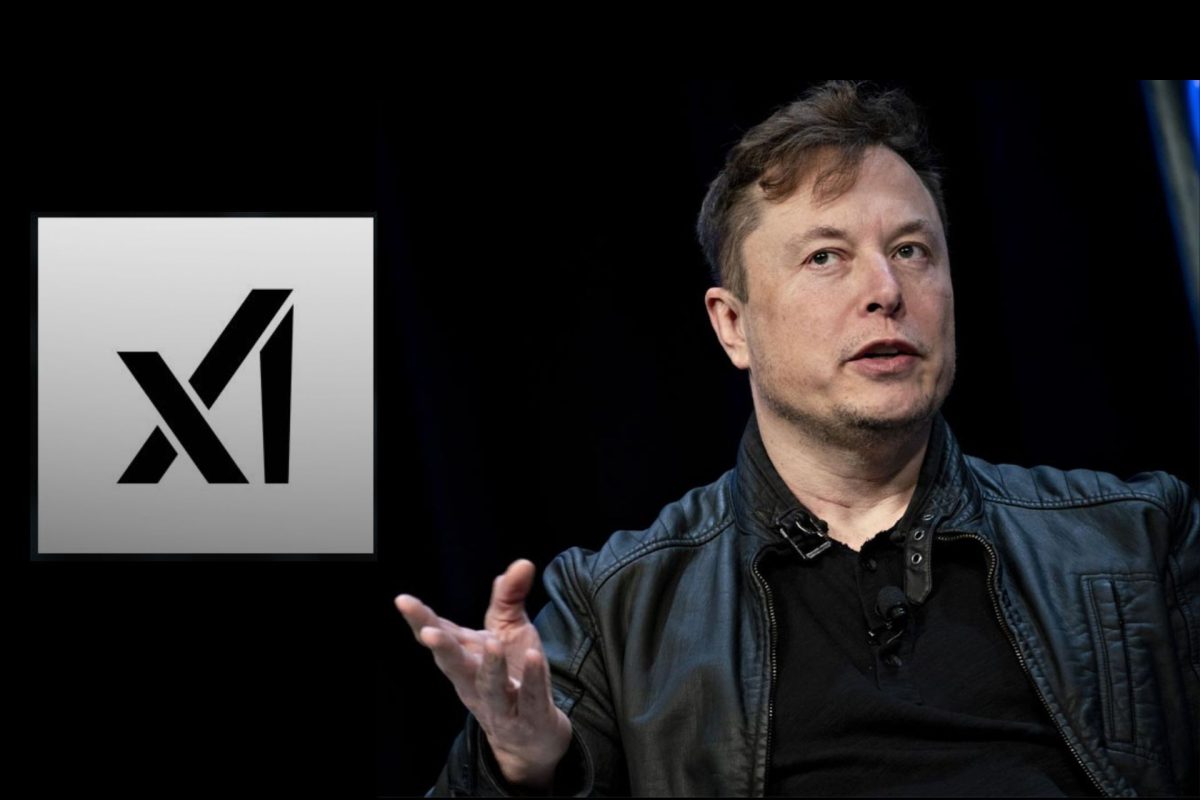
Elon Musk’s AI company, xAI, has taken a bold regulatory stance by signing only the Safety and Security chapter of the European Union’s new voluntary AI Code of Practice, distancing itself from the more controversial Transparency and Copyright provisions.
A Strategic Partial Commitment
On July 31, 2025, xAI confirmed that it will align with the chapter focusing on risk mitigation and AI safety, as required under the upcoming EU AI Act. The law comes into effect on August 2 and targets general-purpose AI models like those developed by xAI. However, Musk’s company cited “profound harm to innovation” and “copyright overreach” as reasons for not endorsing the remaining sections.
“xAI supports AI safety and will be signing the EU AI Act’s Code of Practice Chapter on Safety and Security,” the company posted on X. “The other parts of the Code contain requirements that are profoundly detrimental to innovation.”
What the Code Covers
The EU’s AI Code of Practice includes three main chapters:
-
Safety and Security – Managing systemic risks, model misuse, and dual-use concerns.
-
Transparency – Requiring documentation of training methods, data sources, and model capabilities.
-
Copyright – Ensuring AI models respect intellectual property rights in training and deployment.
By signing only the first, xAI avoids obligations that would require greater visibility into its proprietary technologies.
Industry Divided
While Google has agreed to sign the full Code despite reservations, Meta has refused to sign any part of it. Microsoft’s decision is still pending. The split underscores the tech industry’s broader debate: How do we ensure AI safety without stifling innovation?
xAI’s decision suggests a middle path—supporting regulation where safety is at stake, but resisting what it views as excessive red tape.
Implications for the Future
xAI’s selective compliance reflects a wider challenge in global AI governance: balancing innovation with accountability. As the AI Act’s enforcement approaches, companies must decide whether partial compliance is sufficient—or whether full transparency and IP alignment are the cost of global trust.
With regulatory pressure growing worldwide, xAI’s move could set a precedent. Will others follow suit or embrace the full framework? One thing is certain: the future of AI won’t be built by technology alone—it will be shaped by the rules we set for it.





 HOME
HOME Foodies
 Drinks
 Fruits & Veggies
 Supermarket
 Beauty & Health
 Electronics
 Fashion
 Live Tv