The U.S. has imposed a 50% tariff on Brazilian imports and sanctioned Brazilian Supreme Court Judge Alexandre de Moraes amid growing tensions between the two countries. U.S. President Donald Trump signed an executive order on Wednesday linking the tariffs and sanctions to Brazil’s treatment of former President Jair Bolsonaro.
Sanctions on Judge Alexandre de Moraes
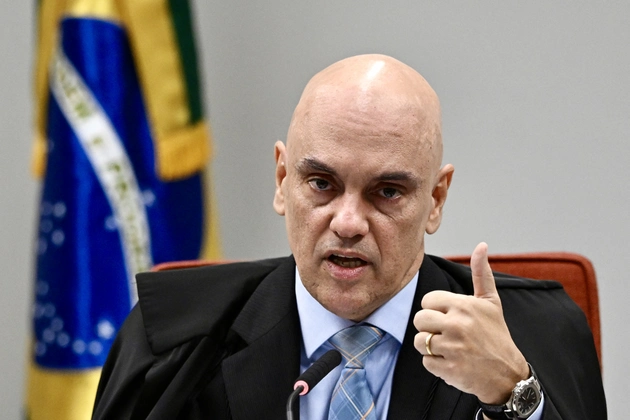
Judge de Moraes, who is leading the investigation into Bolsonaro's alleged coup attempt after losing the 2022 presidential election, is accused by U.S. officials of authorizing arbitrary detentions and suppressing freedom of expression.
-
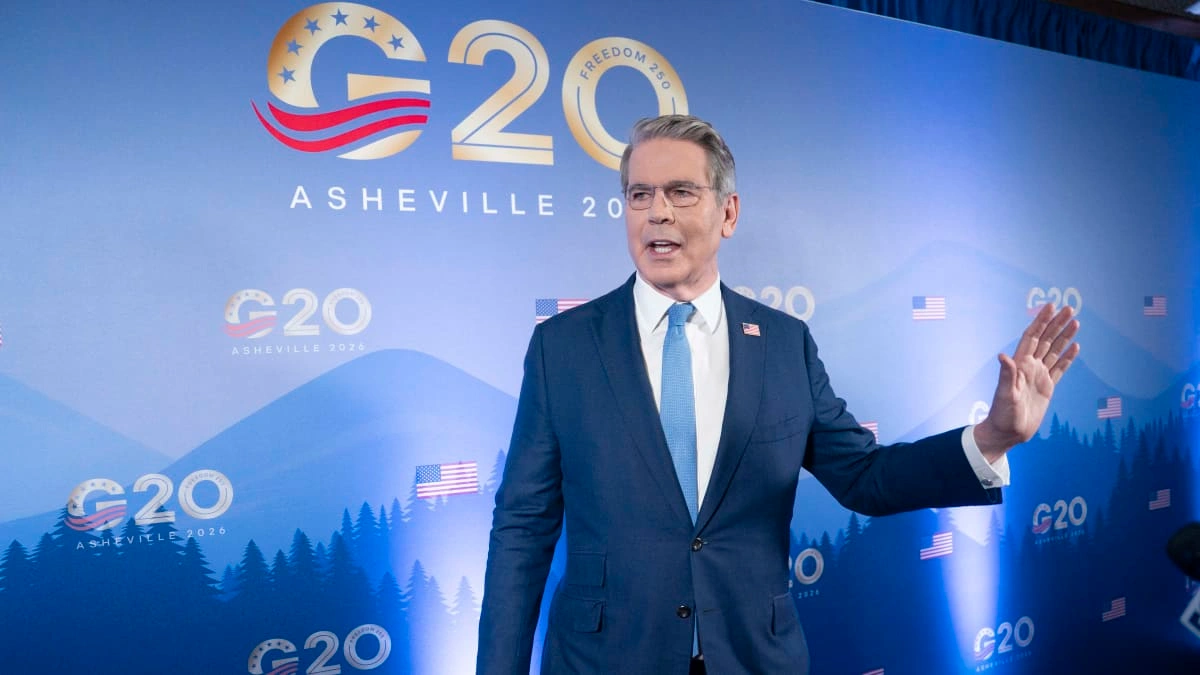
U.S. Treasury Secretary Scott Bessent stated that Moraes had led an "unlawful witch hunt" against both U.S. and Brazilian individuals and companies.
-
The sanctions include travel bans and asset freezes under U.S. jurisdiction.
-
The BBC has reached out to Moraes for comment.
Brazil's Response
Brazilian President Luiz Inacio Lula da Silva condemned the sanctions as an "unacceptable" interference in Brazil’s justice system.
Tariff Details
-
New tariffs apply to Brazilian imports at 50% but exclude key exports such as orange juice, certain aircraft parts, and energy products.
-
The executive order explicitly links the tariffs to Brazil's treatment of Bolsonaro and perceived censorship.
Trade and Diplomatic Impact
-
The U.S. is Brazil’s second-largest trading partner, after China.
-
Brazil is the 15th largest trading partner of the U.S.
Background on Bolsonaro Investigation
-
Bolsonaro is under investigation for allegedly plotting a coup in January 2023 following Lula’s election win.
-
Judge Moraes has imposed strict pre-trial restrictions, including curfews, an ankle monitor, and a ban on foreign contact.
Broader Context
-
Trump’s media company, Truth Social, and other U.S. tech firms are involved in legal battles with Brazilian courts over social media content restrictions.
-
The diplomatic strain marks a reversal from the cordial relationship Trump and Bolsonaro had during their presidencies.
This escalation represents a new chapter in U.S.-Brazil relations and intensifies scrutiny over the legal and political handling of Bolsonaro’s post-election actions.





 HOME
HOME Foodies
 Drinks
 Fruits & Veggies
 Supermarket
 Beauty & Health
 Electronics
 Fashion
 Live Tv