Zambia’s President Hakainde Hichilema has been sworn in for a second five-year term, days after a disputed election that ended with his main challenger being detained on treason-related charges.
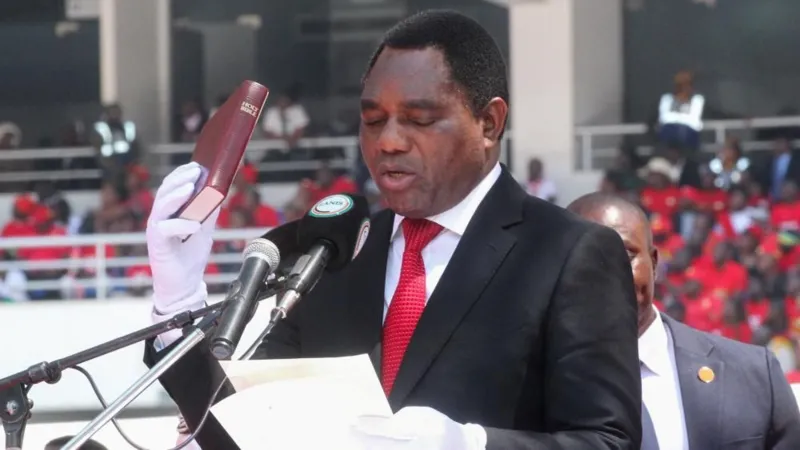
Hichilema took the oath of office on Tuesday at the National Heroes Stadium in Lusaka, where thousands of supporters gathered for the ceremony.
The 64-year-old leader secured about 60% of the vote in the August 13 election, according to official results. His closest challenger, Brian Mundubile, received roughly 38% but rejected the outcome, alleging that the election process had been manipulated.
Mundubile has been unable to mount a legal challenge to the result after the court was reportedly closed when the deadline for filing a petition expired.
Election concerns raise questions
Although election observers described voting day as generally peaceful, concerns were raised about aspects of the counting and results-management process.
European Union observers pointed to problems at several counting centres, including delays in recording results and weaknesses in matching digital information with the original paper records.
The observers also reported that some counting officials repeatedly paused their work while waiting for instructions from headquarters.
The controversy intensified after the election.
Security forces raided a facility linked to Mundubile in Lusaka the day after voting. A former government minister was killed during the incident, while several opposition politicians were arrested.
Authorities accused opposition figures of preparing an armed uprising, allegations that the opposition rejected.
Mundubile and his running mate, Makhevi Zulu, went into hiding before being arrested by police the following week. They were subsequently charged.
Hichilema points to economic progress
The election controversy comes against the backdrop of Hichilema's first five years in office, during which his government has focused heavily on repairing Zambia's struggling economy.
When Hichilema won the presidency in 2021, Zambia had recently defaulted on its international debt and inflation was above 24%.
His administration has since negotiated debt restructuring and worked to restore relations with international creditors.
Inflation has also fallen considerably, although the improvement has not necessarily translated into easier living conditions for ordinary Zambians, many of whom continue to complain about high prices and the cost of daily necessities.
Hichilema, a businessman before entering the presidency, has presented the economic changes as evidence that his administration has laid a stronger foundation for the country.
Regional leaders attend the ceremony
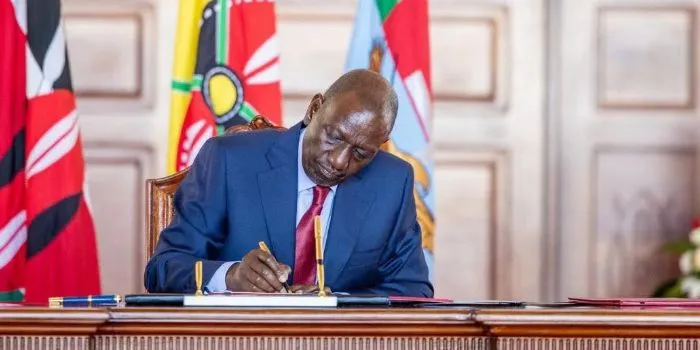
The inauguration attracted leaders from across the region, including the presidents of Kenya, Botswana, Zimbabwe, Namibia and Tanzania.
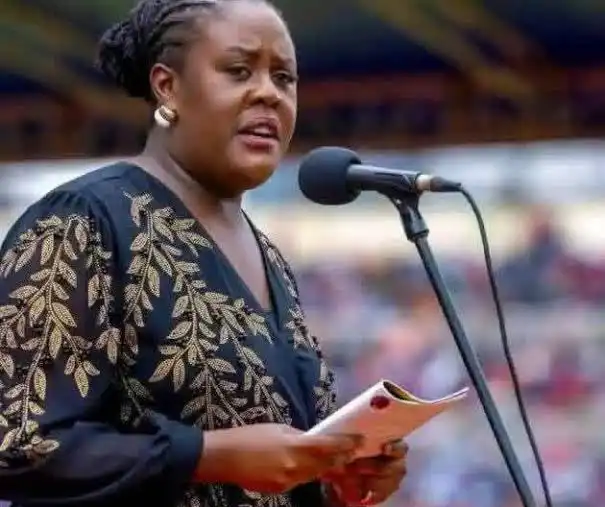
Hichilema was sworn in alongside Vice-President Mutale Nalumango as supporters celebrated his return for another five years.
His second term is now beginning under very different circumstances from his first.
While supporters see his re-election as confirmation of the economic direction he has taken, the detention of his main political opponent and concerns raised by observers over the electoral process are likely to keep Zambia's political environment under scrutiny.
For Hichilema, the challenge will be to build on the economic gains his administration claims to have made while addressing the political tensions that have followed the election.





 HOME
HOME Foodies
 Drinks
 Fruits & Veggies
 Supermarket
 Beauty & Health
 Electronics
 Fashion
 Live Tv