China says 261 foreign nationals from 23 countries remain missing on the Tibetan side of the Nepal-China border following a devastating mudslide that has killed hundreds and left thousands unaccounted for across the Himalayan region.
Chinese authorities on Sunday, August 30, released the first nationality breakdown of foreign nationals missing after a glacier collapse triggered a torrent of ice, rocks, mud and debris through parts of Tibet and Nepal.
Officials in China's Tibet Autonomous Region said 261 foreign nationals from 23 countries were among the 546 people reported missing on the Chinese side of the disaster.
The largest group comprises 104 Nepali nationals, followed by 49 Indians, 33 Latvians, 18 Americans and 15 British citizens. Chinese authorities said they had notified the relevant foreign missions.
16 Dead and 546 Missing in Tibet
Chinese authorities reported that 16 people had died in Gyirong County, while 546 remained missing on the Tibetan side as of Saturday evening.
The disaster struck the Himalayan border region after the collapse of a glacier unleashed a large volume of ice, rock, mud and water into river systems.
The Gyirong border crossing between China and Nepal was among the areas affected by the disaster.
The latest figures from China came as rescue teams continued searching affected areas and authorities worked to identify missing people.
Nepal Reports Hundreds of Deaths
Nepal has suffered a much larger number of casualties.
According to figures cited by Reuters from Nepal's disaster authorities, at least 675 people had died in Nepal, while 2,498 people were missing. More than 7,500 people had been rescued.
The combined figures from Nepal and Tibet have made the disaster one of the region's most serious recent natural disasters.
The Red Cross estimates that more than 90,000 people may have been affected by the disaster.
The Missing Foreign Nationals
Chinese authorities identified the countries represented among the 261 missing foreign nationals.
| Country |
Missing nationals |
| Nepal |
104 |
| India |
49 |
| Latvia |
33 |
| United States |
18 |
| United Kingdom |
15 |
| Other countries |
42 |
| Total |
261 |
The figures were released by officials from the Tibet Autonomous Region, who said the missing foreigners came from 23 countries.
The remaining nationalities were not all individually detailed in the initial announcement.
China Says Glacier Collapse Triggered the Disaster
Chinese state media reported that the disaster was linked to glacier instability under the long-term effects of global warming.
Chinese scientists said the collapse caused a torrent of ice, rocks, mud and debris to move rapidly through the Himalayan river systems.
According to China's state broadcaster CCTV, the mudslide reached the Gyirong border crossing from the Nepalese side within approximately six to seven minutes.
The speed of the flooding left little time for people in affected areas to respond.
Rescue Operations Continue
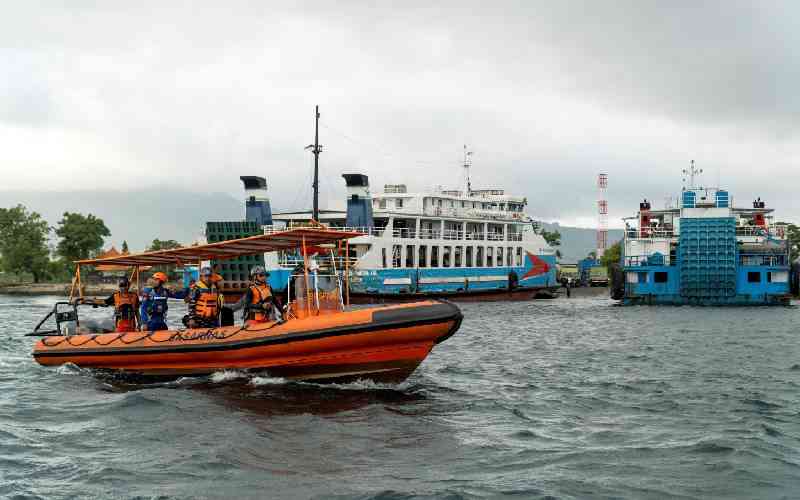
Search and rescue operations remain underway on both sides of the border.
China has deployed more than 2,100 emergency rescue workers and allocated at least 220 million yuan, equivalent to about $32.7 million, for emergency assistance.
China is also providing Nepal with relief supplies, emergency financial assistance, satellite information, hydrological data and specialists with experience in tunnel rescue operations.
Authorities are also working to identify missing foreign nationals and coordinate information with their respective governments.
Further Flooding Remains a Concern
Rescue operations have been complicated by continuing water levels and unstable conditions.
In Nepal, residents and rescue workers in some affected areas moved to higher ground after the water level of the nearby Trishuli River increased.
Authorities have continued monitoring rivers and other areas affected by the disaster because additional flooding could further complicate rescue and recovery operations.
A Major Cross-Border Disaster
Chinese Foreign Minister Wang Yi described the disaster as the most severe cross-border disaster in recent years during a telephone conversation with his Nepalese counterpart.
He also described the rescue operation as exceptionally difficult and complex.
China and Nepal are coordinating efforts to locate missing people, identify victims and provide assistance to those affected.
The Search Continues
With hundreds of people still missing in Tibet and thousands unaccounted for in Nepal, rescue teams continue working through damaged and difficult terrain.
The identification of the 261 foreign nationals provides governments and families with more information about those still unaccounted for.
For families waiting for news, however, the search remains ongoing.
Chinese authorities say 261 foreign nationals from 23 countries are still missing on the Tibetan side of the disaster, while rescue and recovery operations continue across the Nepal-China border.





 HOME
HOME Foodies
 Drinks
 Fruits & Veggies
 Supermarket
 Beauty & Health
 Electronics
 Fashion
 Live Tv