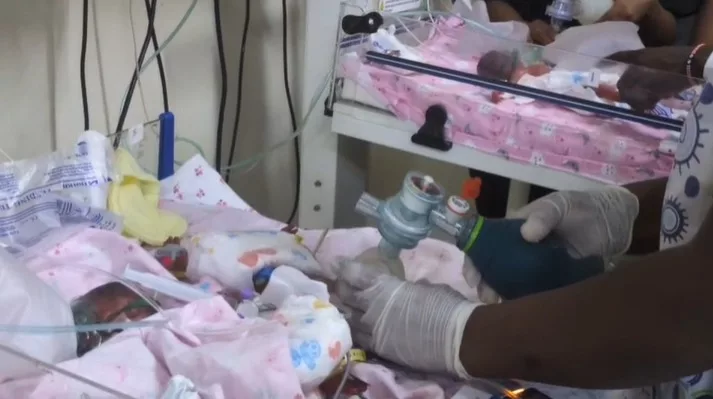
The Democratic Republic of Congo is facing its largest Ebola outbreak on record, with 6,041 confirmed cases and 2,911 deaths reported as of August 31, 2026.
The outbreak, which was declared in May, has spread across six provinces and 60 health zones in the country. More than 1,360 people have recovered, according to the latest figures from Congolese authorities.
The current outbreak is being driven by the Bundibugyo strain of Ebola, a relatively rare strain for which there is currently no approved vaccine or specific approved treatment. The disease has a reported fatality rate of about 48 percent in the current outbreak.
The outbreak began in Ituri Province and has since reached North Kivu, South Kivu, Haut-Uélé, Bas-Uélé and Tshopo. Ituri remains the hardest-hit area, with thousands of confirmed cases recorded there.
The speed at which the disease has spread has alarmed health authorities. The current outbreak has already surpassed the previous record Ebola outbreak in the DRC, which recorded 3,317 cases between 2018 and 2020. The World Health Organization has described the present epidemic as the largest Ebola outbreak ever reported in the country.
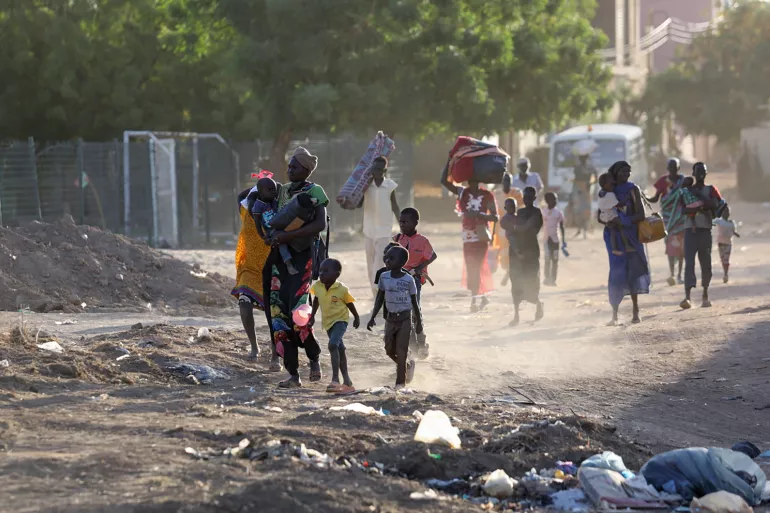
Containing the virus has also become more difficult because many of the affected areas are dealing with armed conflict, population displacement and fragile healthcare systems. Movement of people between communities has made contact tracing and surveillance more challenging, while health workers are also facing difficult working conditions.
The outbreak has also created concerns beyond the affected provinces. The WHO continues to monitor the situation closely because of the possibility of the virus spreading across borders, although neighbouring countries have been conducting surveillance and preparedness activities.
There are nevertheless signs of recovery among some patients. More than 1,300 people have survived the infection during the current outbreak, according to the latest government figures.
Health authorities and international partners are continuing surveillance, laboratory testing, contact tracing, treatment and community engagement efforts. Researchers are also working on vaccines and treatments specifically targeting the Bundibugyo strain.
The WHO has warned that the outbreak could eventually surpass the devastating 2014–2016 West Africa Ebola epidemic, which remains the deadliest Ebola outbreak recorded globally, with more than 11,000 deaths.
For now, the DRC remains at the centre of the largest Ebola outbreak in its history, with 6,041 confirmed cases, 2,911 deaths and 1,366 recoveries recorded in the latest figures.





 HOME
HOME Foodies
 Drinks
 Fruits & Veggies
 Supermarket
 Beauty & Health
 Electronics
 Fashion
 Live Tv