Russia unleashed its most intense aerial assault of the war early July 4, deploying over 550 drones and 11 ballistic missiles targeting Kyiv in a seven-hour barrage. The assault followed a phone call between Presidents Vladimir Putin and Donald Trump.
What Happened
-
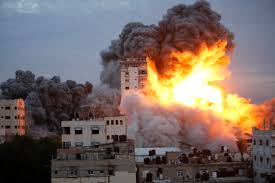
Drone and missile waves struck six districts of Kyiv, sparking widespread fires and injuring at least 23 people, according to Kyiv Mayor Vitali Klitschko and Ukraine’s emergency services (apnews.com).
-
Ukrainian air defenses intercepted roughly 270 threats, but dozens still breached defences, damaging residential, medical, transport infrastructure, and rail lines (apnews.com).
-
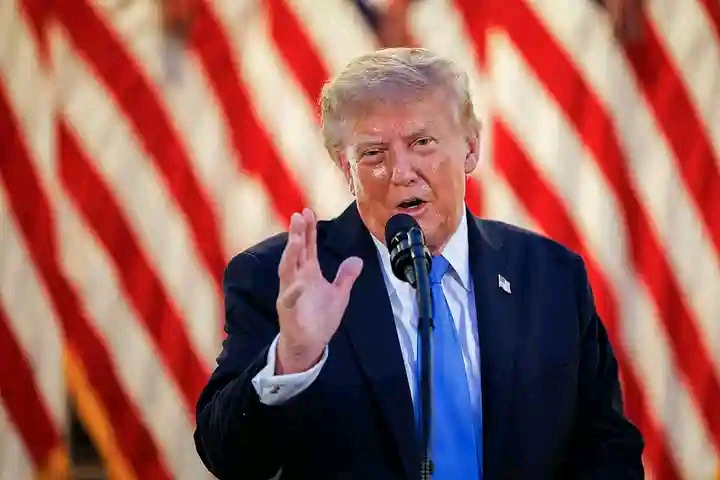
The strikes came just hours after a Trump-Putin call, which Trump described as “no progress” toward a ceasefire (washingtonpost.com).

Reactions
-
President Zelenskyy condemned the bombardment as a “deliberate act of terror” timed to coincide with diplomatic outreach (theguardian.com).
-
U.S. officials confirmed a pause in shipments of Patriot air defense systems to Ukraine, raising alarms over weakened defenses (thetimes.co.uk).
-
Ukraine is increasingly relying on domestic drones to intercept attacks, but many threats continue to slip through (theguardian.com).
What This Means
This massive strike highlights several critical issues:
-
Escalating Russian capabilities: Russia's ability to coordinate drone and missile swarms shows growing tactical reach.
-
Ukrainian vulnerability: Gaps in air defense capacity risk civilian lives and critical infrastructure.
-
Geopolitical pressures: The timing post–Trump-Putin call highlights the fragile nature of diplomatic channels when military aggression continues unabated.
In Summary
Kyiv endured its most devastating nighttime raid yet—just hours after world leaders spoke. With air defenses stretched and international support under review, Ukraine faces renewed danger from escalating Russian tactics and diplomatic uncertainty.
Similar Articles