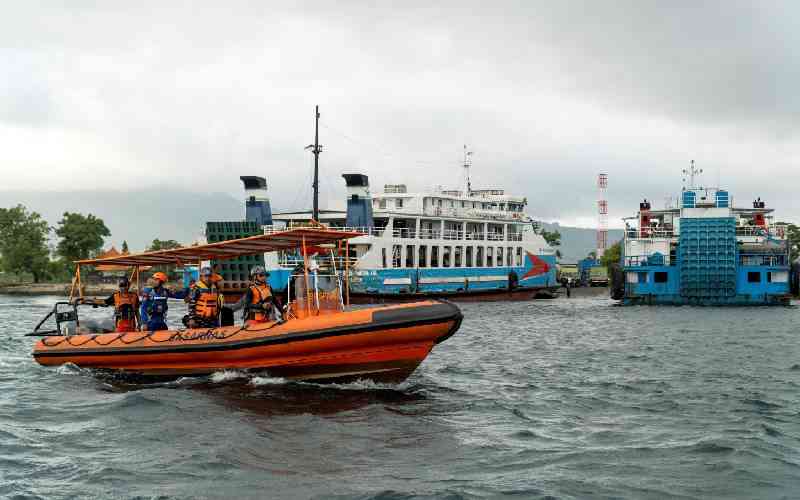
A tragic incident unfolded in Indonesian waters on July 2 when a ferry carrying 65 passengers and 22 vehicles sank en route to Bali. The KMP Tunu Pratama Jaya had departed from Ketapang in East Java and was just 30 minutes into its journey across the Bali Strait to Gilimanuk when it began to sink. According to survivor accounts, the ferry experienced a sudden leak in the engine room. Coupled with rough seas and high waves reaching up to 2.5 meters, the situation quickly deteriorated, leaving passengers scrambling for safety.
So far, six fatalities have been confirmed, including a three-year-old child. Twenty-nine passengers have been rescued and treated for injuries, while around thirty remain unaccounted for. Indonesian authorities launched an extensive rescue operation involving more than 160 personnel, multiple navy ships, helicopters, thermal drones, and even local fishing boats. However, poor visibility and dangerous sea conditions hampered overnight efforts. The search resumed the following morning with urgency as time becomes a critical factor in locating potential survivors.
Indonesia has long depended on inter-island ferry travel, but maritime accidents remain a recurring concern. Factors such as poor vessel maintenance, unpredictable weather, and frequent overloading have been identified in past disasters, including the 2018 and 2009 sinkings that claimed hundreds of lives. The recent Bali Strait incident once again underscores the need for stronger safety protocols, improved inspections, and timely emergency preparedness.
As the search continues, families of the missing wait anxiously for news. Government officials have pledged full support for recovery efforts and promised an investigation into the causes of the accident.





 HOME
HOME Foodies
 Drinks
 Fruits & Veggies
 Supermarket
 Beauty & Health
 Electronics
 Fashion
 Live Tv